
AI + Backend Engineering in 2026: What Every Developer Must Know

"In 2026, AI is no longer optional in backend systems — it's foundational."
Introduction
The backend engineering landscape has shifted dramatically. A few years ago, AI was a separate layer — something data scientists built. Today, it's deeply woven into how we design APIs, scale microservices, and secure systems.
If you're a backend developer in 2026 and still thinking about AI as "someone else's problem" — you're already behind.
1. AI Is Now Embedded in Backend Architecture
The biggest trend of 2026 is deep integration of AI/ML directly into backend systems.
What this looks like:
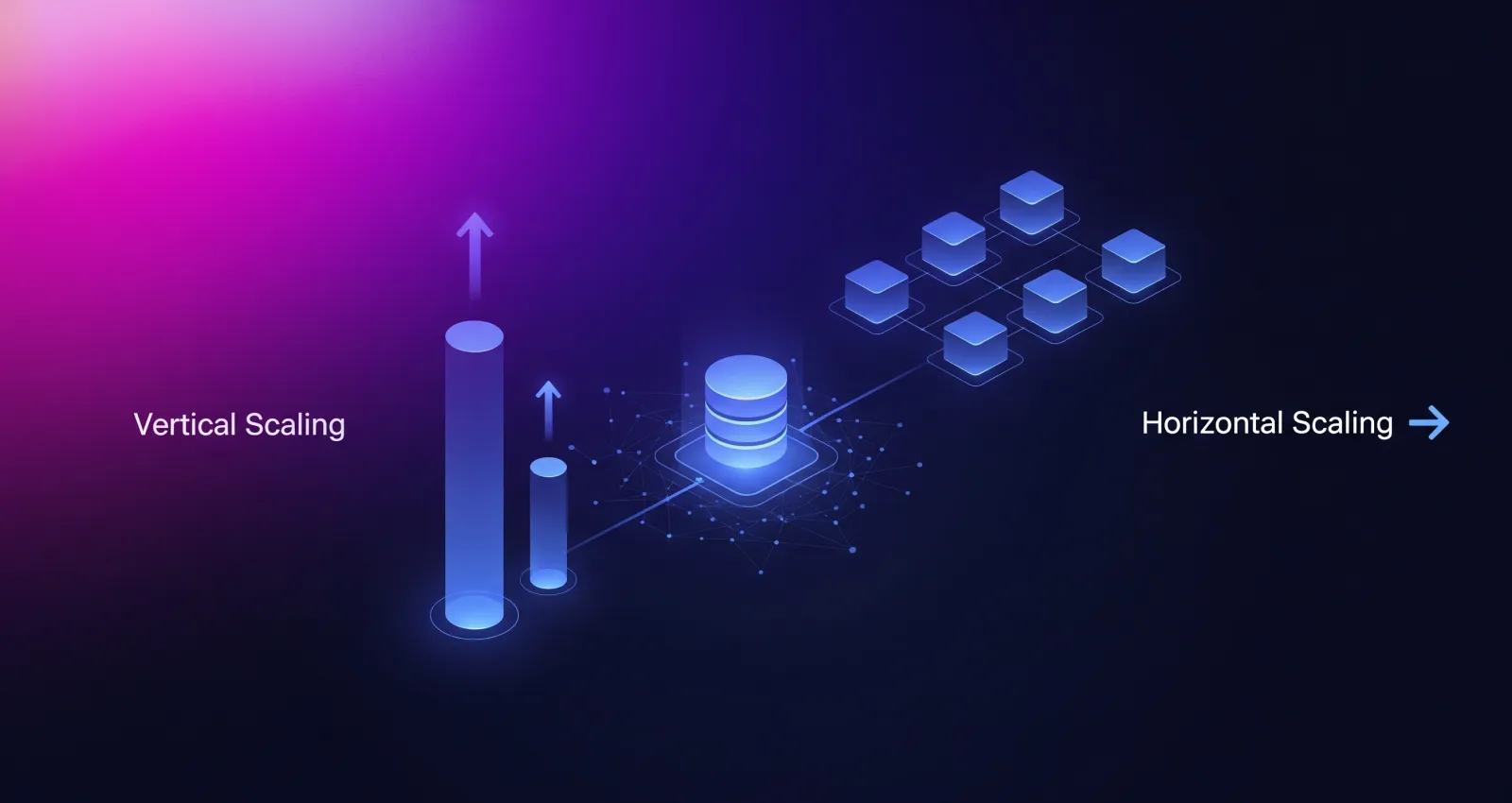
- Intelligent auto-scaling → Predict traffic spikes before they happen
- Anomaly detection → Detect failures in real-time
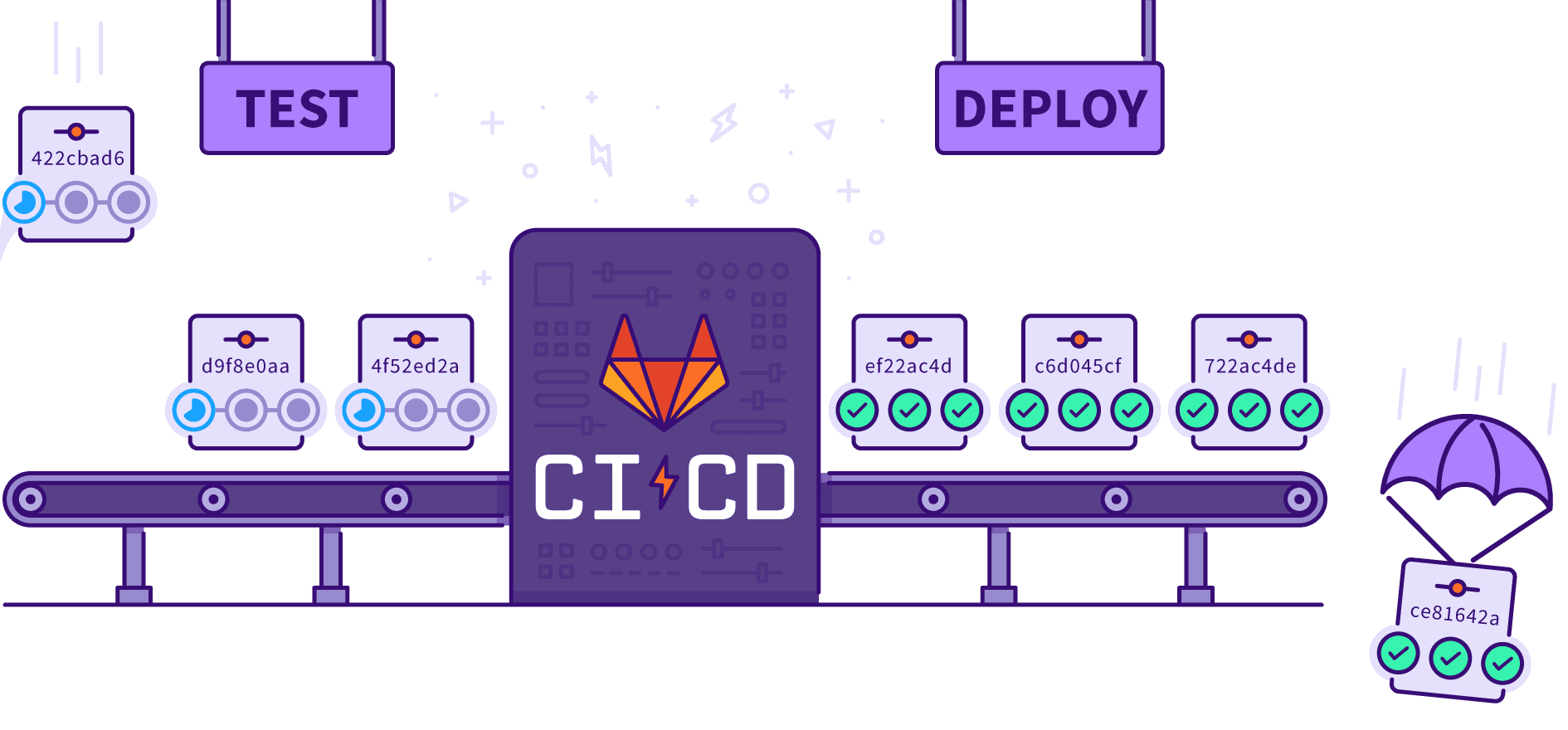
- AI-assisted CI/CD → Automated testing and optimization
This is already happening in production at companies like Razorpay, Zepto, and CRED.
2. Event-Driven Architecture Is the Backbone
Modern systems rely heavily on event-driven architecture.
Tools:
- Apache Kafka
- RabbitMQ
- AWS EventBridge
Why it matters for AI
AI needs real-time data streams, not batch jobs.
// Kafka Producer Example
ProducerRecord<String, String> record = new ProducerRecord<>(
    "user-interactions",
    userId,
    objectMapper.writeValueAsString(interactionEvent)
);
kafkaProducer.send(record);
👉 In ShopVerse, user events stream through Kafka → Flink → ClickHouse to power real-time recommendations.
3. The New Backend Stack in 2026
| Layer | Tech |
|---|---|
| API Gateway | Spring Cloud Gateway / Kong |
| Auth | JWT + OAuth2 + WebFlux |
| Messaging | Kafka / EventBridge |
| Processing | Flink / Spark Streaming |
| Storage | PostgreSQL, MongoDB, ClickHouse |
| Observability | Prometheus, Grafana, OpenTelemetry |
| AI Layer | Python FastAPI + Java Spring Boot |
Pattern: 👉 Train in Python → Scale in Java/Go
// Spring Boot calling AI service
RestTemplate restTemplate = new RestTemplate();

RecommendationResponse response = restTemplate.postForObject(
    "http://ai-service/recommend",
    request,
    RecommendationResponse.class
);
4. Security Is No Longer Optional
Modern backend security = Zero Trust by default
- JWT + OAuth2 + RBAC
- API Gateway-level validation
- AI-powered anomaly detection
- Rate limiting
1// JWT validation in API Gateway
2@Component
3public class JwtAuthFilter extends AbstractGatewayFilterFactory<JwtAuthFilter.Config> {
4
5    @Override
6    public GatewayFilter apply(Config config) {
7        return (exchange, chain) -> {
8            String token = extractToken(exchange.getRequest());
9            if (!jwtUtil.validateToken(token)) {
10                exchange.getResponse().setStatusCode(HttpStatus.UNAUTHORIZED);
11                return exchange.getResponse().setComplete();
12            }
13            return chain.filter(exchange);
14        };
15    }
16}
5. Observability Is Now Standard
Modern systems require full visibility:
| Component | Purpose |
|---|---|
| Logs | Debug issues |
| Metrics | Monitor performance |
| Traces | Track request flow |
"Without observability, your system is a black box."
6. What This Means for Freshers in 2026
Reality:
Most freshers build CRUD apps. Industry builds distributed AI systems.
What to focus on:
- Build event-driven systems (Kafka)
- Understand JWT/OAuth deeply
- Learn observability tools
- Build at least one AI-integrated backend
What I'm Building
This is why I built ShopVerse:
- Microservices (Spring Boot)
- Kafka event streaming
- Flink + ClickHouse analytics
- Real-time recommendation engine
- Secure auth (JWT + OAuth2)
📘 Docs: shopverse-docs.vercel.app
Final Thoughts
AI + Backend Engineering is not replacing developers — it's raising the bar.
The engineers who understand how to build systems that power AI will define the next decade.
Build accordingly. 🔥
Written by
Kirtesh Admute
Full-stack engineer and digital architect — building scalable, production-grade systems with real-world impact.
&w=3840&q=75)